 TallyKnot
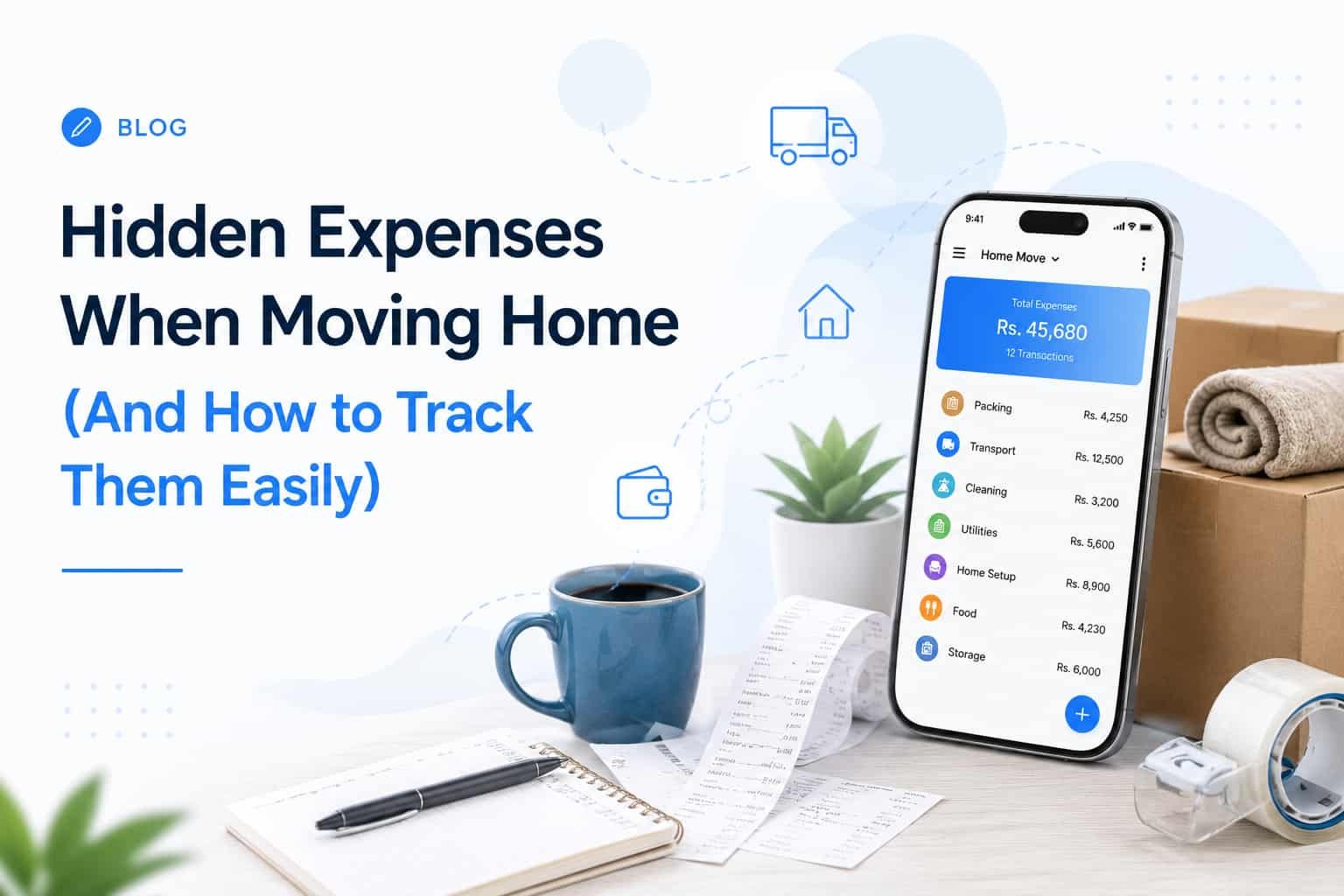
Moving to a new home can be exciting, but the money side of it is often less simple than it first appears.
Most people remember the big expenses: the deposit, rent, moving company or transportation. What is easier to forget are the smaller costs that appear throughout the process. A few boxes here, some cleaning supplies there, an extra trip, a quick meal because the kitchen is packed — each one seems small at the time.
But once everything is unpacked and you finally settle in, those small payments can add up to a surprisingly large amount.
This is where keeping a simple record can make a real difference. Instead of trying to remember every purchase after the move, you can record expenses as they happen and see how much the move is actually costing.
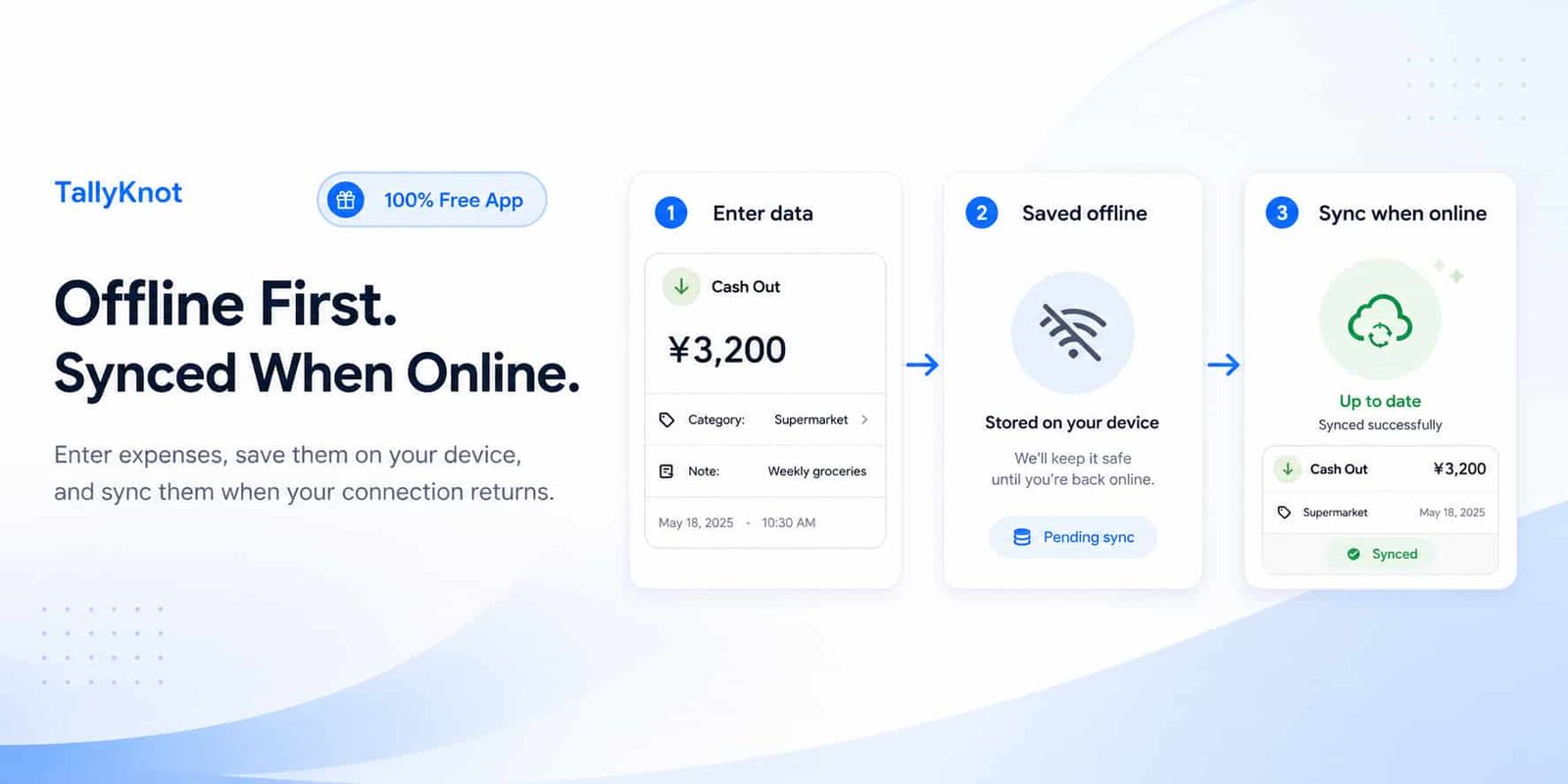
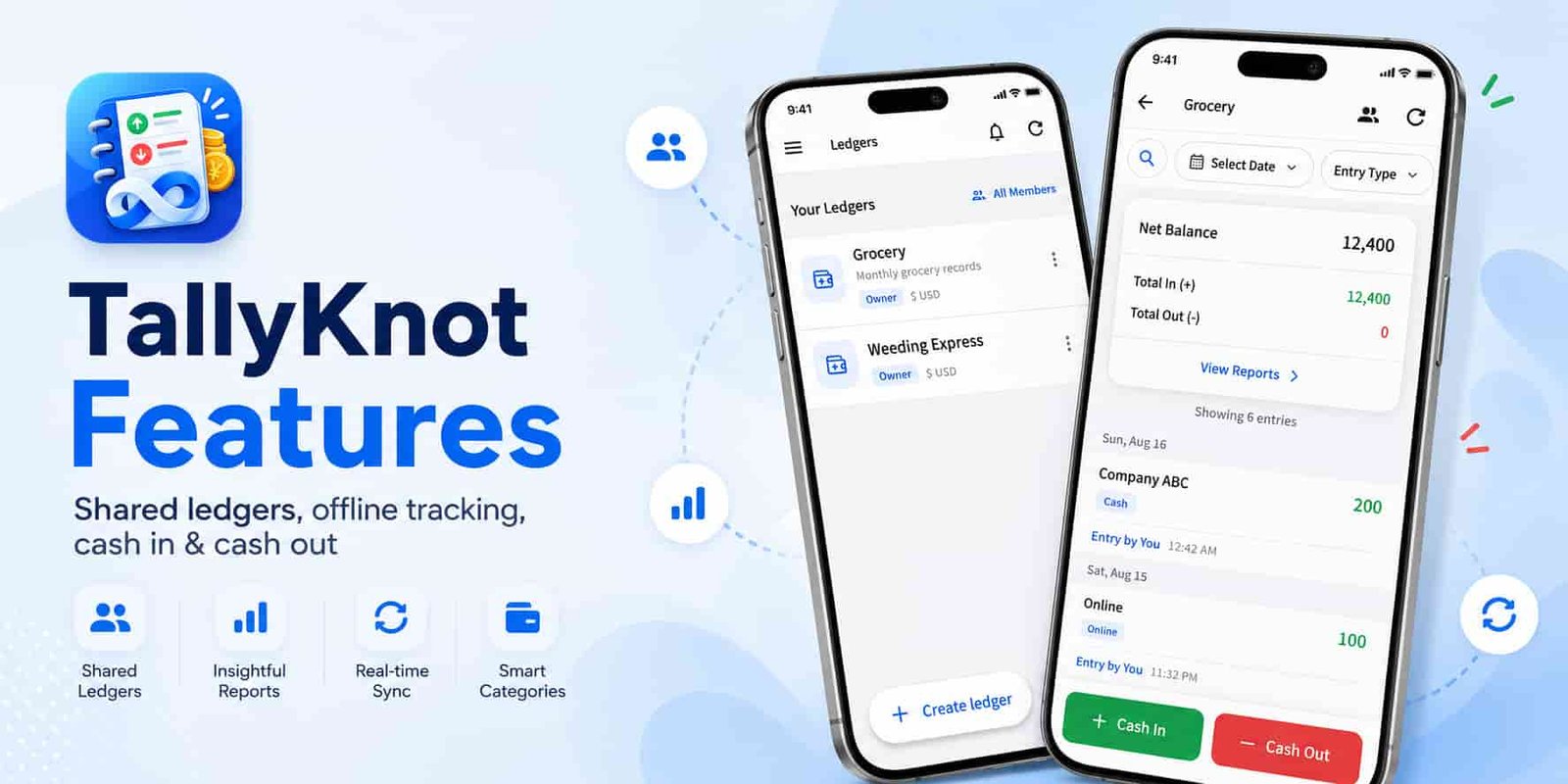
If you like keeping your records on your phone, the TallyKnot app can be useful for this. You can create a separate cashbook for your move and keep those expenses apart from your normal day-to-day spending.
Download TallyKnot for free and start tracking your money today. Create ledgers, record Cash In and Cash Out, organize expenses and keep your everyday money records in one place.
The moving company is only part of the cost
When you start planning a move, it is natural to focus on the largest expenses first. You might compare moving services, calculate transportation costs or work out how much money you need for the new home.
Those numbers are important, but they are only the beginning.
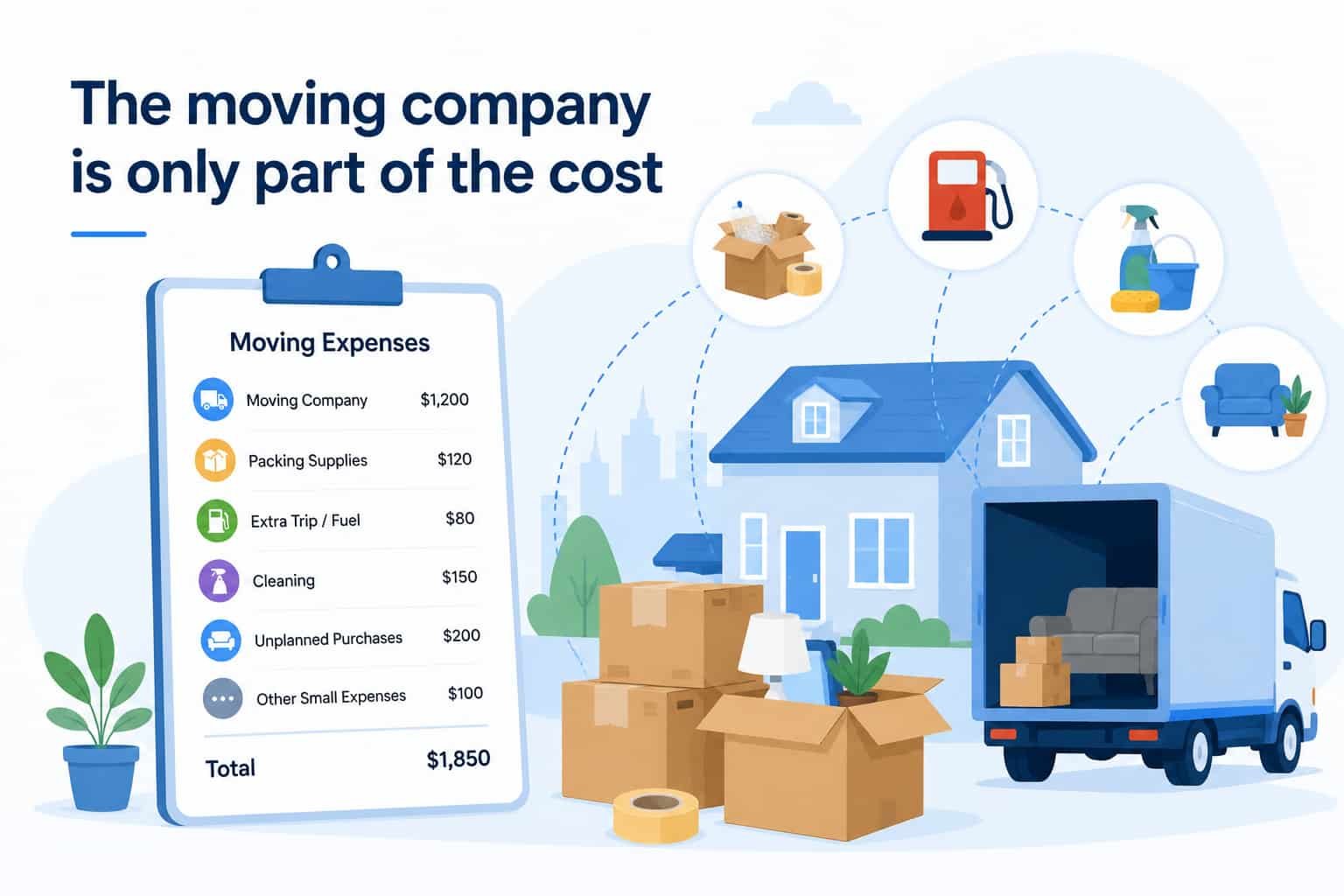
Once the move is underway, smaller expenses start appearing. You may need more packing material than expected, make an additional trip because something was left behind, or buy something for the new home that you had not planned for.
Looking at these costs together gives you a much more realistic picture of what the move actually cost.
1. Packing supplies can cost more than expected
Boxes are usually the first packing expense people think about. But moving rarely requires boxes alone.
You may also need tape, labels, markers, bubble wrap, protective sheets, bags and other materials. If you are moving fragile dishes, electronics or other delicate belongings, you might end up buying more protection than you originally planned.
These purchases are easy to overlook because they are often inexpensive individually. Spending a small amount several times, however, can become a noticeable part of the moving budget.
Recording them under a simple Packing category makes it easier to see how much you actually spent on preparing your belongings.
2. Cleaning may happen at both homes
Cleaning is another expense that can appear twice during a move.
The old home may need a final clean before you leave, while the new home may need some cleaning before your furniture and boxes are fully settled.
You might hire a professional cleaner, or you may decide to do everything yourself. Either way, there can be additional costs for cleaning products, trash bags, gloves, sponges, detergent and other supplies.
These expenses may not feel like part of the move when you are buying them, but including them in your moving records gives you a clearer final total.
3. Deposits and setup fees can arrive at different times
Moving into a new home can involve several payments rather than one large transaction.
Depending on your situation, there may be a security deposit, agency fee, administrative charge, key-related cost or other initial payment. Utility setup can also bring additional expenses.
Because these payments happen at different stages, it is easy to remember the largest one and forget about a smaller charge that came afterward.
A simple list of expected payments can help. As each one is paid, record it and mark it as completed. This makes it much easier to distinguish between money you have already spent and costs you still need to prepare for.
With the TallyKnot app, you can keep these transactions inside a dedicated moving cashbook instead of mixing them with your regular household records. That separation can make the final total much easier to understand.
4. Utilities and internet can create extra costs
Electricity, water, gas and internet are normally part of household spending, so moving-related charges can easily blend into your regular bills.
There may be a final bill from your previous home, a connection or installation charge at the new one, or a short period when you are paying for services at both places.
Recording these costs separately during the move can help you understand how much money was actually required to get the new home ready.
5. One moving trip can turn into several
Not every move goes exactly according to plan.
You might need to return for something you forgot, make another trip for furniture, collect a rented vehicle, visit the old home for cleaning or move something that did not fit the first time.
Fuel, parking and tolls can add to the cost as well.
Rather than trying to remember all of these trips later, record each one when it happens. A short note such as extra furniture trip or final cleaning trip can make the expense much easier to understand.
6. The new home may need things you did not plan to buy
Some unexpected spending only becomes obvious after you arrive.
A curtain may not fit the new window. A shelf might need different brackets. You may suddenly need storage containers, extension cords, light bulbs or a basic tool.
These purchases can feel like normal shopping rather than moving expenses, especially when they happen one at a time.
If you want to understand the full cost of settling into your new home, record them first. You can always decide later whether a particular purchase should be included in your moving budget.
7. Food spending can increase during moving week
Moving can temporarily change your normal routine.
The kitchen might already be packed, your cooking equipment may still be in boxes, or you may simply be too tired to cook after a long day of moving.
That can lead to more takeaway meals, restaurant visits or convenience-store purchases than usual.
These are everyday expenses, but if they happened because your normal routine was disrupted by the move, they can still be useful to track when calculating the overall financial impact.
If you are staying somewhere temporarily, accommodation and additional transportation costs can also become part of the total.
8. Temporary storage can quietly increase the budget
Sometimes the new home is not ready for everything at once.
You may need to store furniture or boxes for a few days or weeks while waiting for the move to finish. What was originally planned as a short storage period can also become longer if there are delays.
Because storage is often arranged separately from the main moving service, it can easily be left out of the original budget.
If you think you might need storage, include it in your planning from the beginning and keep track of any additional days or fees.
Keep all those small expenses together
The hardest part of dealing with small moving expenses is often not the spending itself. It is remembering everything afterward.
One receipt may be in your wallet, another purchase may only appear on your bank statement, and a small cash payment might be forgotten completely.
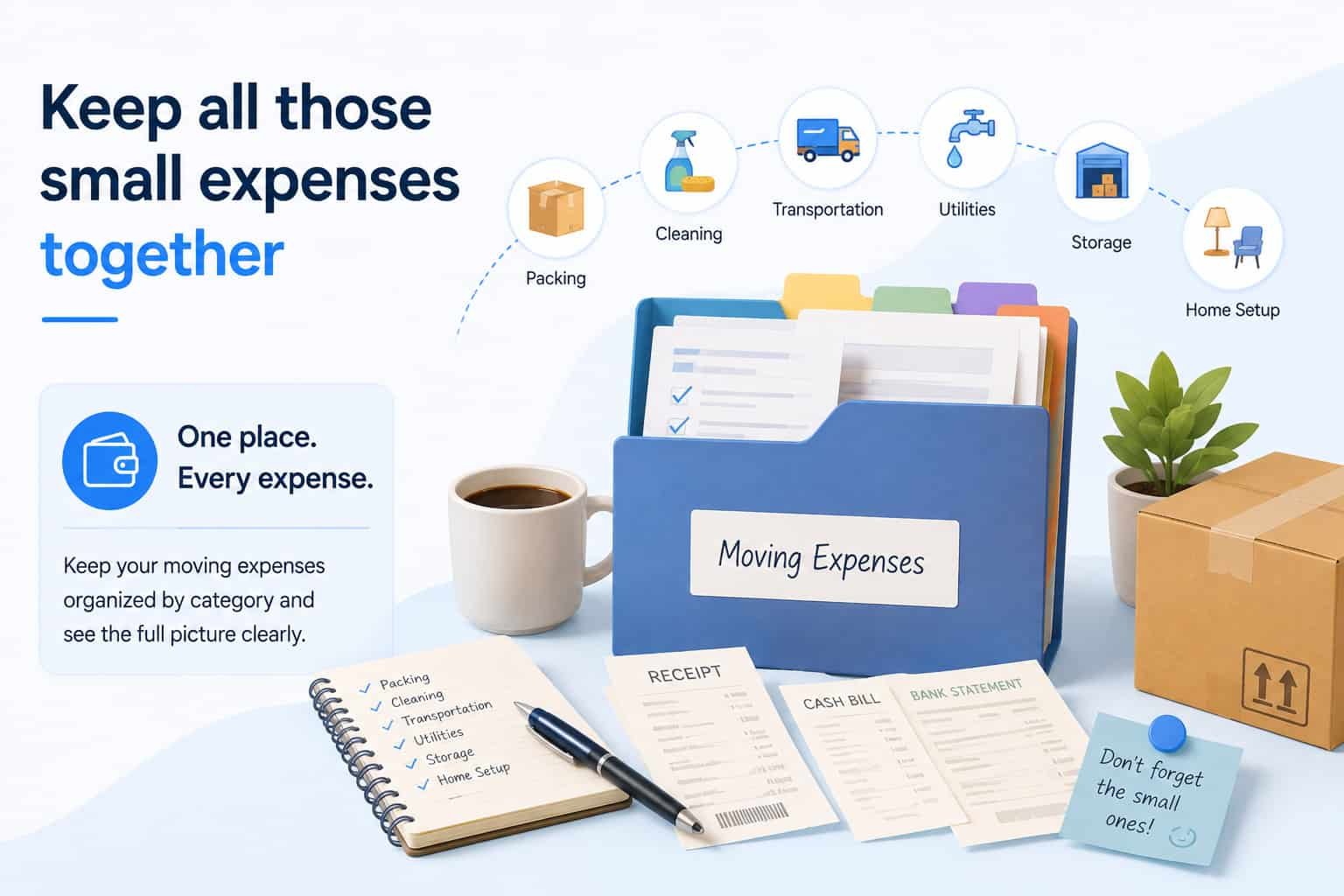
Keeping the expenses together makes the process much easier. You can use simple categories such as Packing, Cleaning, Transportation, Utilities, Storage and Home Setup.
This is one of the situations where having a separate cashbook can be genuinely useful. You are not trying to build a complicated financial system for one move. You simply want one place where the expenses related to that move can be seen together.
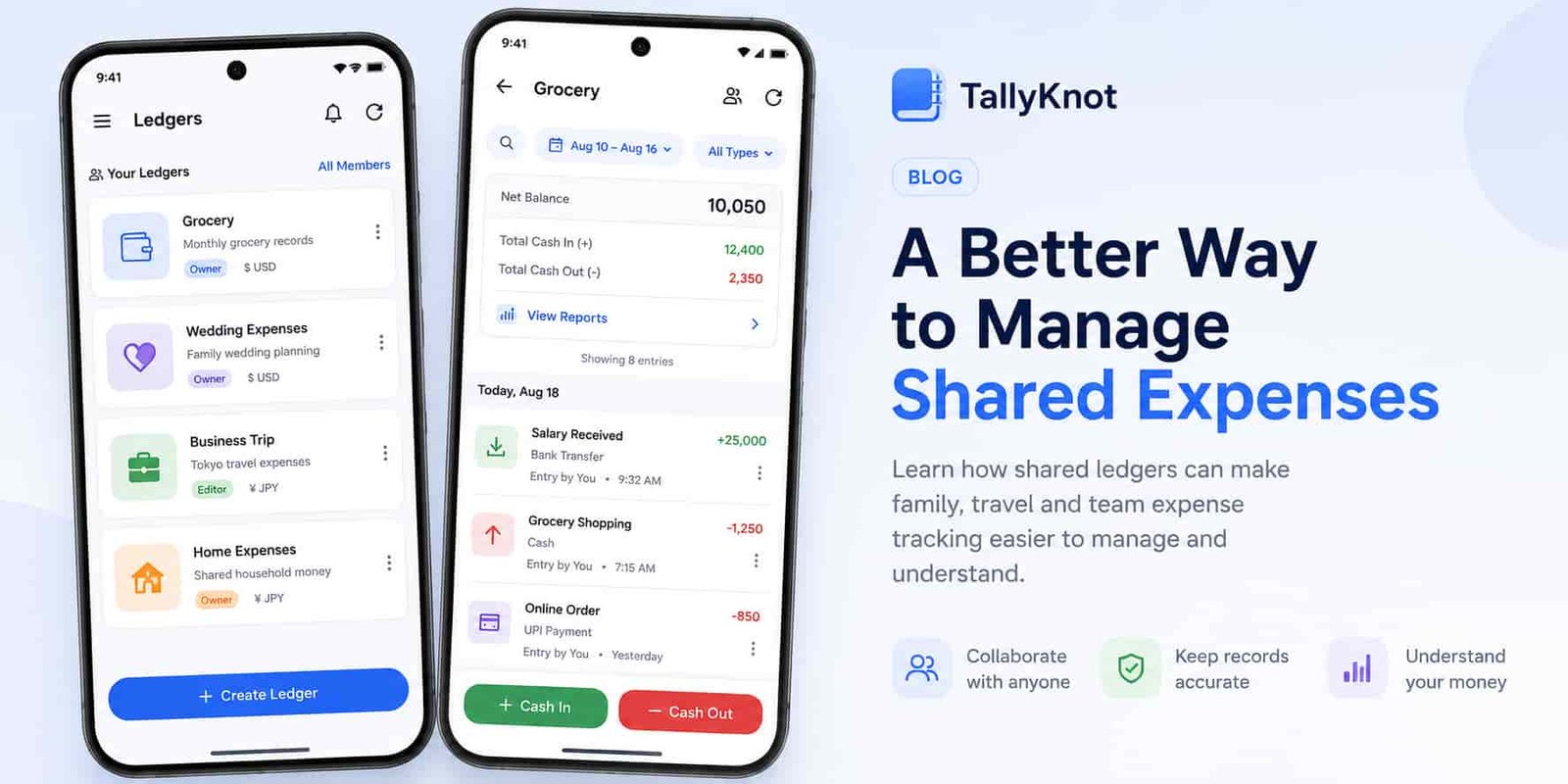
In the TallyKnot app, you can create a separate ledger for the move and organize the entries around the expenses you are actually dealing with. The same approach can also work for a wedding, trip, household project or other short-term financial goal.
What if more than one person is paying?
Moving expenses are not always handled by one person.
Couples or family members may split purchases, with one person paying for transportation while another buys packing materials or household items. Trying to remember who paid for what can become another source of confusion.
In that situation, a shared ledger can be useful. The TallyKnot app allows trusted members to work with the same ledger, so the relevant records can stay together rather than being kept in separate notes and combined later.
For example, one person could record the moving van payment while another adds the cleaning supplies or furniture expenses. Having those entries in the same place makes the overall picture easier to follow.
Why recording expenses as they happen helps
It is tempting to think that you will remember everything once the move is finished.
In reality, moving days can be busy. There are boxes everywhere, schedules to manage, people coming and going and dozens of small decisions to make. Remembering whether you spent money on tape, parking, cleaning supplies or an extra trip becomes surprisingly difficult.
Recording an expense when it happens takes only a moment. Later, you have a record you can actually rely on.
You also do not need to write a long description for every purchase. A short note such as moving van fuel, new apartment cleaning or extra boxes is usually enough.
A simple moving budget example
Imagine you have already budgeted for the rent, deposit and moving service. At first, everything looks manageable.
Then the smaller expenses begin.
You buy more packing tape and boxes. There is an extra transportation trip. The old home needs a final cleaning. You buy cleaning products for the new home. The kitchen is still packed, so you order dinner. Then you realize you need a few small items to make the new place comfortable.
None of these expenses feels large enough to cause concern on its own.
But when you add them together, they can make a meaningful difference to the final moving cost.
If you have been recording each expense in a dedicated TallyKnot app ledger, you do not have to reconstruct the total from memory. You already have the individual records in one place.
Start before moving day
The easiest time to start tracking moving expenses is before the move actually happens.
As soon as you start buying supplies or making arrangements, begin recording the related costs. This gives you a running total and can also show you when your spending is starting to move beyond your original estimate.
You can use a notebook, spreadsheet or an app such as TallyKnot app. The important thing is not which method you choose. It is having one consistent place where the expenses are recorded.
If you prefer using your phone, the TallyKnot app is designed to let you record your cashbook activity while you are going about your day. That can be useful during a move because you can add an expense shortly after paying for it instead of waiting until the evening or trying to remember it several days later.
Do not let the small expenses disappear into the background
A home move is a good reminder that financial planning is not only about the largest payments.
Packing materials, cleaning, transportation, storage, food and small home purchases can all contribute to the final cost. Because they happen gradually, they are much easier to overlook than one large payment.
Keeping a simple record turns those scattered purchases into something you can actually see and understand.
Once the move is over, that record can also be useful for the future. You will have a better idea of what a similar move might cost next time instead of starting your estimate from scratch.
Final takeaway

A realistic moving budget should include more than rent, deposits and the moving company.
Leave some room for the expenses that appear along the way — packing supplies, cleaning, extra trips, utilities, storage, food and the small things needed to make the new home work.
You do not need a complicated system to keep track of them. Start early, record expenses as they happen and keep the move-related spending together.
If you want to keep it simple on your phone, the TallyKnot app gives you a dedicated place to create a cashbook, record expenses and keep a clearer view of where your money is going during the move.
Whether you use the TallyKnot app, a notebook or a spreadsheet, the important thing is to make the record while the details are still fresh. Small expenses are much easier to manage when you can actually see them.
Download TallyKnot for free and start tracking your money today. Create ledgers, record Cash In and Cash Out, organize expenses and keep your everyday money records in one place.